SportInsiderly: BCCI Actions Put ICC Reputation on the Spot
SportInsiderly: BCCI Actions Put ICC Reputation on the Spot discover how? Cricket is no longer just a sport, explore the political and sporting fallout in South Asian cricket.
CRICKET
BCCI Actions Put ICC Reputation on the Spot An in‑depth analysis by SportInsiderly
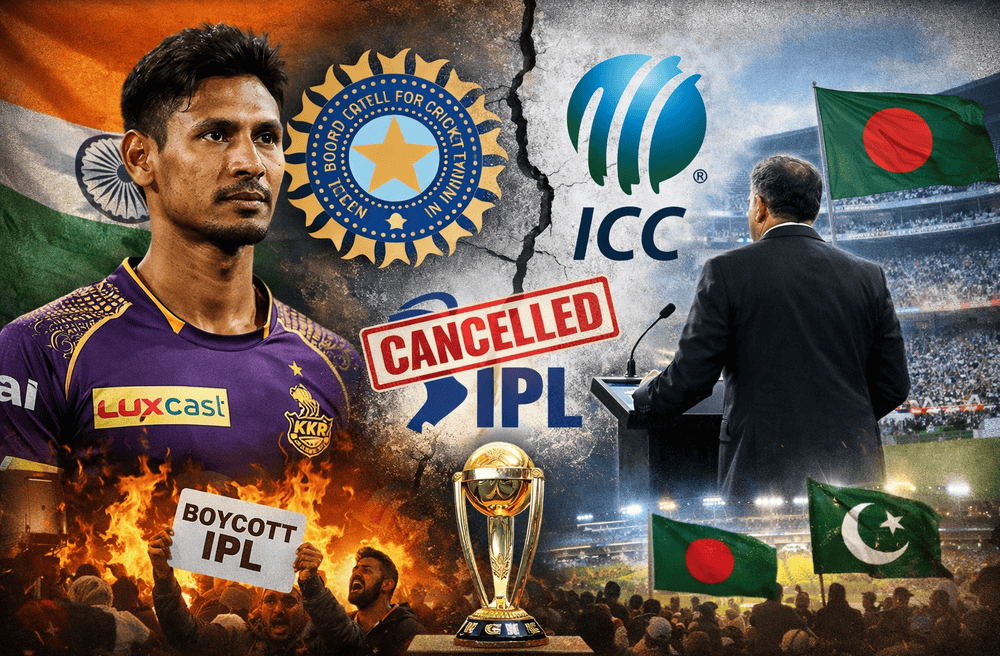
Cricket is no longer just a sport in South Asia. Recent events show how deeply politics, diplomacy, and global cricket governance are now entwined. The Board of Control for Cricket in India (BCCI) has taken actions that have put the International Cricket Council (ICC)’s reputation on the line — casting a long shadow over the future of international cricket.
1. How It All Started: The Mustafizur Rahman Controversy
The spark igniting this controversy came on January 3, 2026, when the BCCI ordered the release of Bangladesh fast bowler Mustafizur Rahman from the Kolkata Knight Riders (KKR) squad for the upcoming Indian Premier League (IPL) season. What made this decision controversial wasn’t injury, poor form, or contract disputes — it was a directive tied to “developments all around” that hinted at geopolitical tensions between India and Bangladesh.
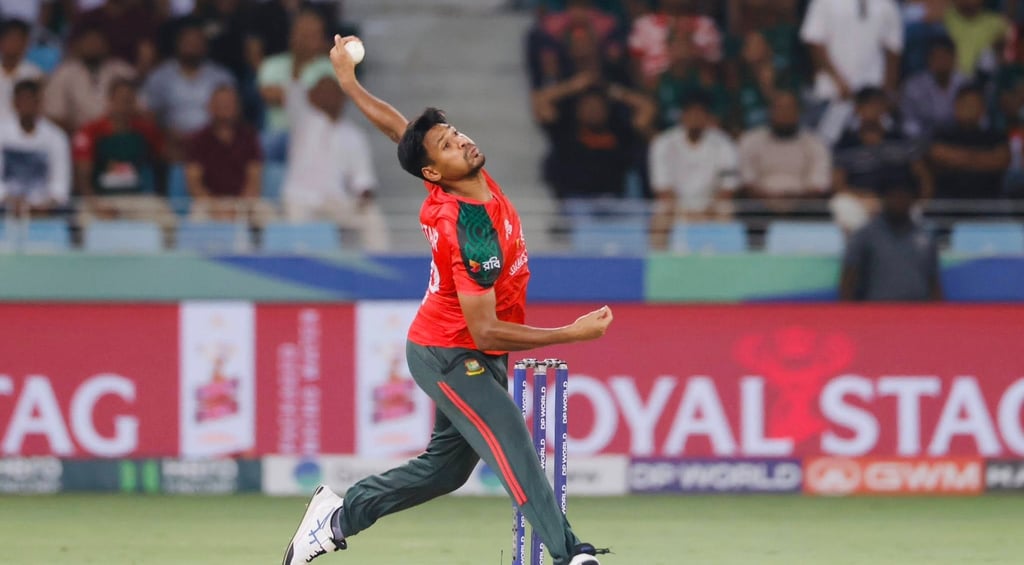
Mustafizur — affectionately nicknamed “Fizz” — was one of the few Bangladeshi players in the IPL and one of his country’s most successful T20 bowlers. His sudden removal sent shockwaves through cricketing circles and set off a chain reaction that has now shaken the sport’s global governance.
2. Immediate Fallout: IPL Ban and World Cup Dispute
Just days after Mustafizur’s release:
The **Bangladesh government imposed an indefinite ban on IPL broadcasts nationwide as fans expressed outrage.
The Bangladesh Cricket Board (BCB) declared that the national team would not travel to India for the forthcoming ICC Men’s T20 World Cup 2026, citing security concerns.
The BCB formally requested the ICC to relocate its World Cup matches to Sri Lanka, arguing that rising political tensions and safety risks made India an unsuitable host.
This transformed what should have been internal franchise business into a full‑blown international dispute.
3. ICC’s Role Under Scrutiny
The International Cricket Council (ICC) — cricket’s global governing body — now finds itself at the heart of a crisis that’s more political than sporting.
In a recent emergency board meeting, the ICC rejected Bangladesh’s request to shift their World Cup matches out of India, declaring that changing venues at this late stage could jeopardize tournament planning and the integrity of international events.
Why That Matters
The ICC is supposed to be the neutral arbiter on matters affecting world cricket. But when cricket boards like the BCCI use their influence to exert political pressure, the ICC’s ability to act impartially becomes a question — both among fans and within the sport’s broader ecosystem.
Adding to this strain, the ICC reportedly issued Bangladesh a deadline to confirm their participation in the World Cup or face replacement by another team, potentially Scotland.
4. Pakistan’s Response and Regional Tensions
The Pakistan Cricket Board (PCB) has openly supported Bangladesh’s refusal to play matches in India, framing it as a stance rooted in political instability and regional security concerns.
In many ways, this aligns with long‑standing tensions between India and Pakistan in cricket — where diplomatic strains have repeatedly influenced cricketing decisions, scheduling, and bilateral tours.
5. Step‑by‑Step Breakdown: Timeline of Key Events
Let’s put the major events into perspective with a clear timeline:
January 3, 2026 — BCCI instructs IPL franchise KKR to release Mustafizur Rahman.
January 5, 2026 — Bangladesh bans IPL broadcasts.
Following that week — BCB announces refusal to play World Cup matches in India and requests relocation.
January 21, 2026 — ICC rejects venue change request and confirms schedule remains unchanged.
Present — ICC issues ultimatum to Bangladesh to confirm or risk replacement.
This arithmetic of events shows how quickly a single decision can cascade into an international standoff.
6. Voices from the Cricket World
Fans, commentators, and former players have weighed in:
Some analysts believe the BCCI panicked and allowed external pressures to dictate cricketing decisions, undermining both fair play and diplomatic bridges.
Others argue that linking sport and politics is inevitable in a region where cricket is cultural diplomacy.
Social media and fan platforms have been rife with strong opinions — many supportive of Mustafizur and critical of cricket governance.
7. Beyond the Headlines: What This Means for Cricket
Here’s the big picture:
Impact on the ICC
The ICC is now perceived as being in a political vice — pressured by financial powerhouses like the BCCI while expected to remain neutral.
Trust from smaller cricket boards may waver if decisions appear influenced by political or economic clout.
Impact on the World Cup
Bangladesh’s participation is uncertain, and changes at this stage could undermine the event’s competitive integrity.
A World Cup without Bangladesh — one of its core teams — would reflect a major governance failure.
Impact on Cricket Diplomacy
Cricket once acted as a bridge between nations in South Asia. But when board decisions are seen as politically motivated, that bridge weakens — and fan enthusiasm could erode.
8. Lessons for Governance and Fair Play
For the sport’s sake, institutions like the ICC must:
Reaffirm neutrality and avoid being seen as tools of national influence.
Protect players from fallout rooted in geopolitics.
Ensure transparent conflict‑resolution mechanisms where member boards trust outcomes.
Strong and impartial governance is essential if cricket is to remain truly global — not just powerful within one nation’s sphere of influence.
SportInsiderly Thoughts
The BCCI’s decision to remove Mustafizur Rahman from the IPL has ignited more than outrage — it has triggered a diplomatic and sporting crisis that places the ICC’s reputation on the spot. What should have been internal franchise business has unleashed competing narratives of politics, national pride, and governance efficacy.
Whether cricket can return to being the unifying force it once was depends on how the ICC and member nations respond now. The choices made today will shape the sport’s future — not just in South Asia, but across the cricketing world.
Stay connected with SportInsiderly for trusted updates, expert insight, and in-depth coverage of the stories that truly matter in world cricket. 🏏
Contact
Have a question, suggestion, or partnership inquiry?
Email:
info@sportinsiderly.com
© 2025. All rights reserved.
🌐 Follow us on social media for daily updates.